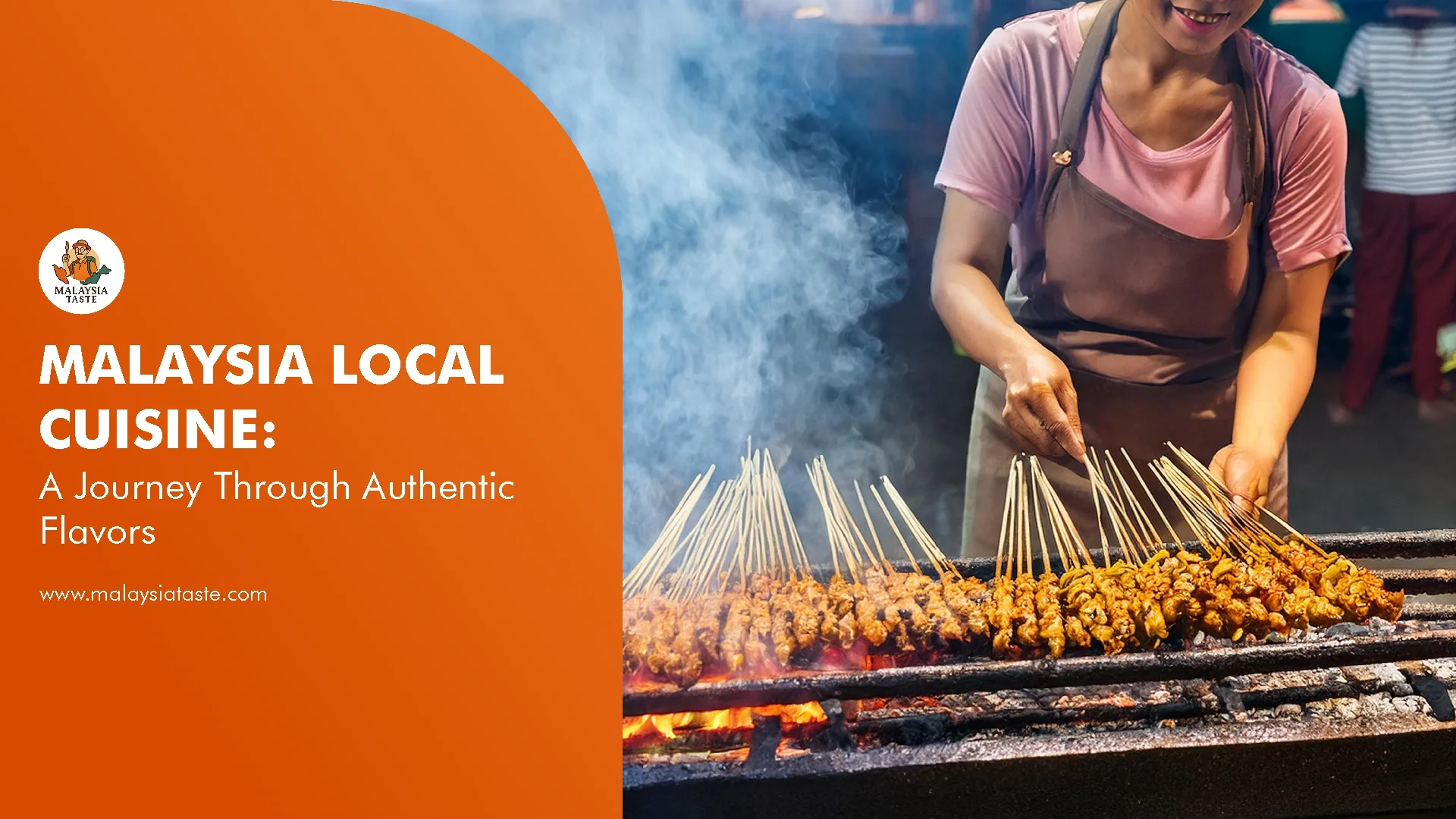
Malaysia is not just a destination; rather, it’s a culinary adventure waiting to be explored. Moreover, every street corner, night market, and local eatery offers a new story. Meanwhile, the smell of grilled satay, the richness of coconut-infused rice, and the complexity of spicy broths all come together to create something unforgettable.
So, what makes Malaysia local cuisine so unique? It’s not just about taste. It’s about culture, history, and connection.
Cultural Origins of Malaysian Food Traditions
Malaysia’s cuisine didn’t appear overnight. Instead, it gradually evolved over centuries through trade, migration, and cultural exchange.
Historically, Malaysia was a key trading hub as early as the 15th century. As a result, traders from China, India, and the Middle East brought spices, cooking techniques, and ingredients that shaped the local food scene.
Moreover, colonial influences from Portugal, the Netherlands, and Britain introduced new ingredients like tomatoes and peanuts; as a result, the cuisine became even more diverse and richly layered.
As a result, Malaysian cuisine became a blend of global influences, yet still deeply rooted in local traditions.
Signature Malaysian Dishes You Must Experience
Malaysia’s food culture is incredibly diverse, but a few dishes truly define its identity.
Nasi Lemak – The National Dish
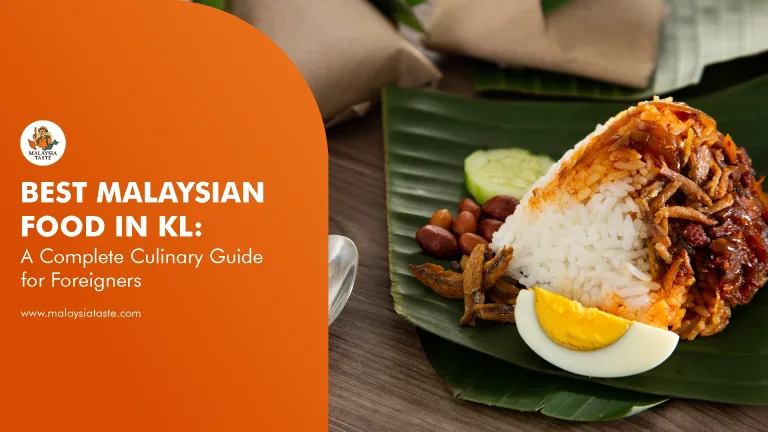
Nasi lemak is widely considered Malaysia’s national dish. For example, it features rice cooked in coconut milk, served with sambal, anchovies, peanuts, and eggs. Interestingly, what seems like a simple dish carries layers of flavor and cultural significance.
Satay – A Flavorful Street Favorite
Grilled skewers of marinated meat served with peanut sauce are a staple across Malaysia. Meanwhile, its smoky aroma makes it one of the most recognizable street foods.
Laksa – A Bowl of Bold Complexity
Laksa combines spicy, sour, and creamy elements into one rich noodle soup. Therefore, it represents the perfect balance of Malaysian flavors.
Char Kway Teow – The Taste of Street Cooking
This stir-fried noodle dish showcases the famous “wok hei” (smoky flavor), making it a favorite among locals and travelers alike.
Malaysian Flavor Profile: A Perfect Balance of Taste
One of the defining characteristics of Malaysian cuisine is its balance of flavors. Rather than focusing on just one taste, dishes typically combine:
- Sweet
- Sour
- Spicy
- Salty
Ingredients like coconut milk, tamarind, and shrimp paste add depth and richness. Consequently, each bite feels layered, complex, and satisfying.
Street Food Culture in Malaysia: A Culinary Playground
Street food is the heart of Malaysia’s food scene. For instance, from morning breakfasts to late-night suppers, locals rely heavily on hawker stalls and food markets. Furthermore, meals are not just about eating; they are social experiences.
In fact, food plays a central role in daily life and community bonding in Malaysia. This vibrant street food culture makes Malaysia one of the best destinations for food travelers.
Essential Ingredients in Traditional Malaysian Cooking
Behind every dish lies a combination of aromatic and fresh ingredients.
Key Ingredients:
- Coconut milk
- Lemongrass
- Galangal
- Turmeric
- Tamarind
- Chili
These ingredients create the bold and aromatic flavors Malaysian cuisine is known for. Additionally, banana leaves are often used for serving, enhancing both aroma and presentation.
Cooking Techniques That Shape Malaysian Cuisine
The cooking methods in Malaysia are just as important as the ingredients. Common Techniques:
- Stir-frying (wok cooking)
- Grilling over charcoal
- Slow cooking curries
- Steaming with banana leaves
As a result, dishes maintain both texture and flavor complexity.
Regional Diversity Across Malaysian Food Culture
Malaysia offers different culinary experiences depending on where you go.
Peninsular Malaysia
Here, you’ll find a mix of Malay, Chinese, and Indian influences.
East Malaysia (Sabah & Sarawak)
This region features indigenous cuisine, including fermented foods and fresh seafood sourced from rivers and forests.
Therefore, traveling across Malaysia feels like exploring multiple cuisines in one country.
Why Malaysia Local Cuisine Is a Must for Food Travelers
There are many reasons why Malaysia is considered a food paradise:
- Diverse cultural influences in one place
- Affordable yet high-quality food
- Authentic and non-commercialized experiences
- A strong connection between food and identity
More importantly, Malaysian cuisine invites you to explore beyond your comfort zone.
Malaysia Local Cuisine: A Reflection of Identity and Heritage
Malaysia local cuisine is more than just food, it’s a reflection of its people. Different communities adapt dishes based on their preferences, creating unique variations. For example, Chinese noodles, Indian curries, and Malay spices often blend into entirely new dishes.
Thus, Malaysian cuisine continues to evolve while preserving its roots.
Tips for Exploring Malaysian Food Like a Local
If you want to truly experience Malaysian cuisine:
Follow the Locals
Busy food stalls usually mean great food.
Try Different Regions
Each area offers unique specialties.
Be Adventurous
Some flavors may surprise you, but that’s part of the journey.
Eat Street Food
It’s authentic, affordable, and unforgettable.
More Than Just a Meal
Malaysia local cuisine is not just about eating; rather, it’s about experiencing. From this perspective, the vibrant street food scene and deeply rooted cultural traditions ensure that every dish tells a story. Ultimately, once you experience it, you’ll realize that Malaysia isn’t just a place you visit; it’s a place you taste, remember, and crave again.



Leave a Comment