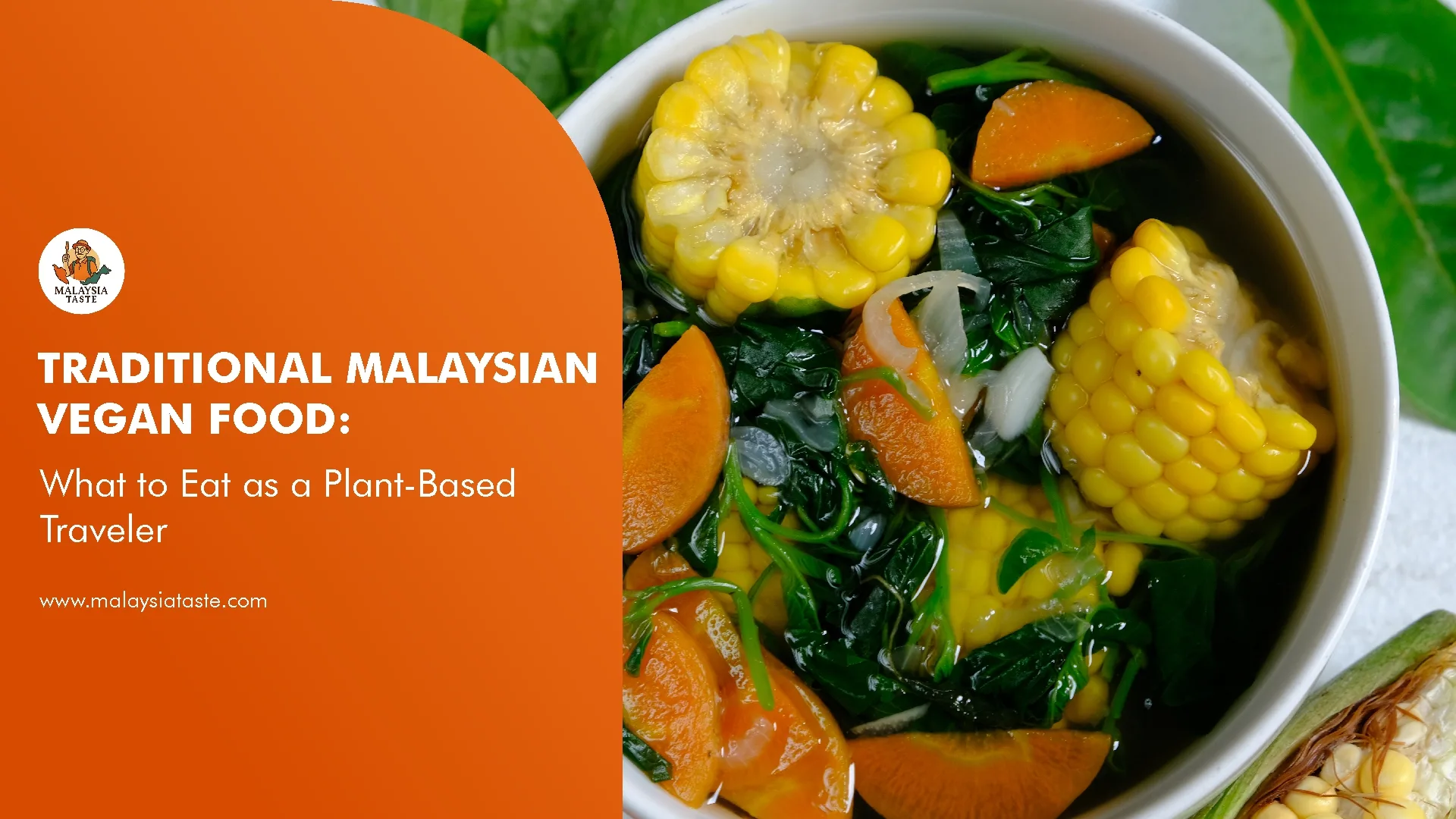
Malaysia is often known for its rich, bold, and diverse cuisine. However, at first glance, it may not seem like a vegan-friendly destination.
After all, many traditional dishes include meat, seafood, or shrimp-based ingredients. Yet, once you look closer, you’ll discover something surprising, Malaysia is actually full of plant-based possibilities.
In fact, thanks to its multicultural roots and abundant use of herbs, spices, tofu, and tempeh, traditional Malaysian food can easily be adapted into vegan-friendly versions without losing its authentic flavor.
So, if you’re wondering how to enjoy traditional Malaysia food for vegan, this guide will help you explore the best dishes, tips, and cultural insights.
Why Malaysian Cuisine Works for a Vegan Lifestyle
Before diving into specific dishes, it’s important to understand why Malaysia is surprisingly vegan-friendly.
A Fusion of Plant-Based Traditions
Malaysian cuisine is influenced by:
- Malay cooking (rich in herbs and coconut milk)
- Chinese vegetarian traditions (especially Buddhist cuisine)
- Indian vegetarian culture (especially South Indian dishes)
As a result, many dishes are either naturally plant-based or easily modified.
Flavor Without Meat
Unlike Western cuisine, Malaysian food relies heavily on:
- Lemongrass
- Turmeric
- Coconut milk
- Chili and spices
Therefore, even without meat, dishes remain flavorful and satisfying.
Traditional Malaysia Food for Vegan (Must-Try Dishes)
1. Vegan Nasi Lemak
Nasi lemak is Malaysia’s national dish. Traditionally, it includes anchovies and egg—but it can easily be made vegan. A vegan version typically includes:
- Coconut rice
- Sambal (without shrimp paste)
- Peanuts
- Cucumber
- Fried tofu or tempeh
Despite the changes, it still delivers the same rich and aromatic experience.
2. Vegan Laksa
Laksa is a famous Malaysian noodle soup known for its bold flavors. Although traditional versions often include fish-based ingredients, vegan versions replace them with:
- Mushrooms
- Tofu
- Plant-based broth
The result? A creamy, spicy, and tangy dish that remains deeply satisfying.
3. Mee Goreng (Vegan Fried Noodles)
Mee goreng is a popular stir-fried noodle dish. A vegan version typically includes:
- Noodles
- Vegetables
- Tofu
- Soy-based sauces
It’s quick, flavorful, and widely available in vegan-friendly eateries.
4. Tahu Sumbat (Stuffed Tofu)
This dish consists of fried tofu stuffed with vegetables and served with peanut sauce. It’s:
- Light yet filling
- Naturally plant-based
- Perfect as a snack or appetizer
5. Nasi Campur (Mixed Rice – Vegan Style)
Nasi campur is a customizable meal where you choose different dishes to go with rice. For a vegan version, simply select:
- Vegetable curries
- Stir-fried greens
- Tofu or tempeh
This flexibility makes it one of the easiest vegan-friendly options.
6. Tempeh Kunyit (Turmeric Tempeh)
A plant-based twist on traditional dishes, tempeh kunyit uses turmeric-marinated tempeh instead of meat. It’s:
- Aromatic
- Crispy
- Packed with flavor
7. Roti Canai with Vegetable Curry
While roti canai is not always vegan (due to butter), many versions can be made plant-based. Served with:
- Lentil curry
- Vegetable curry
It’s a comforting and widely loved option.
8. Popiah (Fresh Spring Rolls)
Popiah is a fresh spring roll filled with vegetables. Often:
- Light
- Refreshing
- Naturally vegan (depending on filling)
Vegan Malaysian Desserts You Should Try
Malaysia’s dessert scene is surprisingly vegan-friendly.
Cendol
Made with:
- Shaved ice
- Coconut milk
- Palm sugar
It’s refreshing and naturally plant-based.
Bubur Kacang Hijau (Mung Bean Dessert)
A warm dessert made from mung beans and coconut milk. Comforting and nutritious.
Traditional Kuih (Local Snacks)
Many Malaysian kuih are vegan, made from:
- Rice flour
- Coconut milk
- Palm sugar
Hidden Non-Vegan Ingredients to Watch Out For
While many dishes seem vegan, there are hidden ingredients to be aware of.
Common Non-Vegan Ingredients:
- Shrimp paste (belacan)
- Fish sauce
- Dried anchovies
In fact, many vegetable dishes may still include these for flavor.
Tip: Always ask vendors if you’re unsure.
How to Eat Vegan Like a Local in Malaysia
Visit Indian Restaurants
South Indian cuisine offers many vegan options:
- Dosa
- Idli
- Vegetable curries
Explore Buddhist Vegetarian Eateries
These places specialize in:
- Plant-based dishes
- Mock meats
- Buffet-style dining
Go for Nasi Campur
It allows flexibility to choose vegan-friendly dishes.
Learn Simple Phrases
For example:
- “No meat”
- “No fish sauce”
This helps avoid confusion when ordering.
Best Places to Find Vegan Malaysian Food
Kuala Lumpur
Offers the widest variety of vegan options and modern plant-based restaurants.
Penang
Known for street food, with increasing vegan-friendly adaptations.
Melaka
Offers traditional dishes with vegan-friendly variations.
The Evolution of Vegan Malaysian Cuisine
Interestingly, vegan Malaysian food is growing rapidly. Today:
- Restaurants offer plant-based versions of classic dishes
- Chefs experiment with vegan rendang and sambal
- Demand for vegan food continues to rise
As a result, it’s easier than ever to enjoy traditional flavors without compromising your lifestyle.
From Vegan Food to Cultural Experience
Eating vegan in Malaysia is not just about dietary choices, it’s about discovery. You’ll:
- Learn how dishes are adapted
- Explore different cultural influences
- Experience food in a new way
A Flavorful Vegan Journey in Malaysia
At first, Malaysia may seem like a challenging destination for vegans.
However, once you explore deeper, you’ll realize it’s a hidden paradise of plant-based flavors. Because here, food is not defined by meat, but by spices, culture, and creativity.
So, whether you’re a traveler, food blogger, or simply curious, Malaysia offers a vegan journey that is both authentic and unforgettable. And the best part? You don’t have to miss out on tradition, you just experience it differently.

Leave a Comment