Food Tour for Tourists

Guide

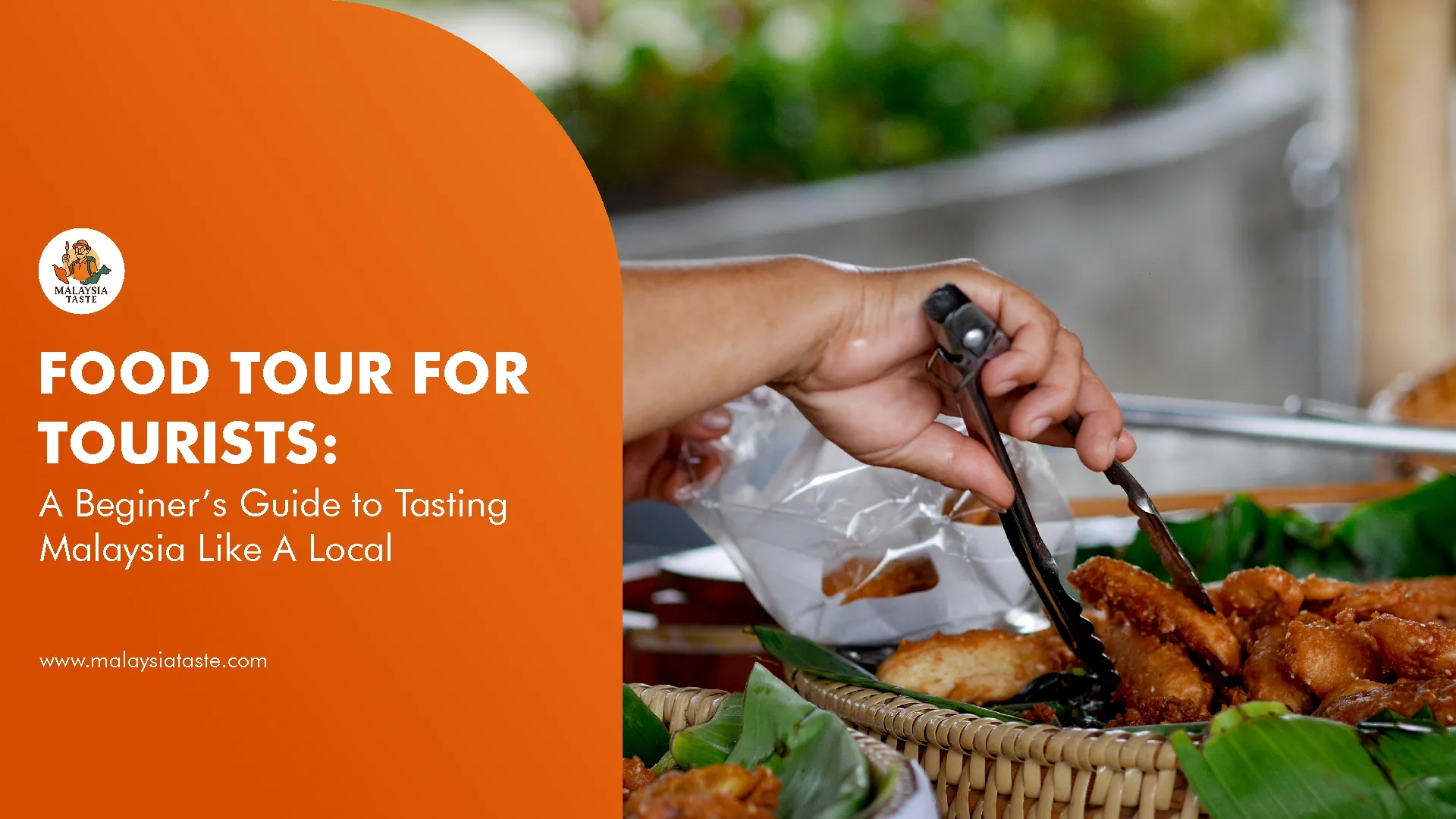
Food Tour for Tourists: A Beginner’s Guide to Tasting Malaysia Like a Local

01/06/2026 Mukhammad 13 min read

Traveling to a new country is exciting, but deciding what to eat can be surprisingly difficult. You may walk past a busy street food stall, smell something smoky and delicious, then hesitate because you do not know what the dish is, how spicy it might be, or whether you are ordering it correctly.

This is exactly why a food tour for tourist experiences has become one of the most enjoyable ways to explore a destination. Instead of simply eating random meals, you get to understand the culture behind the food, the stories behind the recipes, and the local habits that make each dish meaningful.

In Malaysia, especially in Kuala Lumpur, food is not just something people eat. It is part of daily life, family history, cultural identity, and social connection. Malay, Chinese, Indian, and many other culinary influences come together in one city, creating a food scene that feels rich, warm, and full of personality.

Therefore, if you are visiting Malaysia for the first time, a guided food tour can help you move beyond the usual tourist checklist. You do not only taste the food. You learn why people love it, when locals eat it, and how each dish fits into Malaysian life.

Food Tour for Tourist: What Does It Really Mean?

A food tour for tourist is a guided culinary experience designed to help visitors discover local food in a more meaningful and comfortable way. Instead of exploring alone, you follow a local guide who introduces you to selected food spots, explains the dishes, and helps you understand the culture behind them.

However, a good food tour is not only about eating. It is also about storytelling. You may learn why nasi lemak is often eaten for breakfast, how roti canai became a favorite comfort food, why street food streets are so lively at night, or how different communities shaped Malaysia’s food culture over time.

In simple terms, a food tour helps tourists answer three important questions:

  • What should I eat?
  • Where should I eat it?
  • Why does this food matter?

For travelers who love authentic experiences, these answers can completely change the way they remember a destination.

Why Food Tours Are Perfect for First-Time Travelers

Trying local food independently can be fun. However, it can also be confusing, especially in a country with many languages, ingredients, cooking styles, and dining customs.

That is why food tours are especially useful for first-time travelers. They remove the uncertainty and allow you to enjoy the experience with more confidence.

You Discover Food You Might Not Find Alone

Many tourists only visit restaurants that appear on major travel platforms or social media. While some of those places are worth visiting, they do not always represent the full local food scene.

On a guided food tour, you may visit hidden hawker stalls, traditional eateries, family-run shops, or local streets that are easier to understand with someone who knows the area. As a result, you get access to food experiences that feel more personal and less generic.

You Understand the Story Behind Each Dish

Food becomes more memorable when you know the story behind it. For example, nasi lemak is not just rice with sambal. It reflects Malaysian breakfast culture, comfort, and everyday tradition. Teh tarik is not only milk tea. It is a social drink often enjoyed during conversations with friends and family.

Likewise, satay, char kway teow, laksa, banana leaf rice, and kuih all carry cultural meaning. A guide can explain these stories in a simple and engaging way, so every bite feels connected to the place.

You Save Time and Avoid Guesswork

When you only have a few days in a city, every meal matters. A food tour helps you make better use of your time because the route is already planned. You do not have to spend hours checking reviews, comparing menus, or wondering whether a stall is worth trying.

Instead, you can focus on tasting, learning, and enjoying the atmosphere.

You Feel More Comfortable Trying New Things

Some travelers want to try local food but feel nervous about unfamiliar ingredients, spice levels, or ordering styles. A guide can help explain what is in each dish, suggest beginner-friendly options, and adjust recommendations based on your preferences.

Because of that, a food tour can make the experience more relaxed, especially for visitors from Europe, America, or other regions where Malaysian food may not be part of everyday dining.

What Makes Malaysia a Great Destination for Food Tours?

Malaysia is one of the best countries for food-focused travel because its cuisine is naturally diverse. In one trip, you can experience Malay, Chinese, Indian, Peranakan, and regional influences without leaving the city.

Kuala Lumpur, in particular, is a strong starting point. The city has traditional markets, street food areas, kopitiams, mamak restaurants, modern cafes, and local neighborhoods where food is part of daily rhythm.

Moreover, Malaysian food has a wide range of flavors. You can taste something spicy, smoky, creamy, sweet, sour, herbal, or deeply savory in the same day. This variety makes a food tour feel dynamic rather than repetitive.

What to Expect on a Food Tour in Malaysia

Every food tour is different, depending on the route, guide, group size, and theme. However, most good food tours include a combination of tasting, walking, cultural explanation, and local interaction.

A Curated Route

A food tour usually follows a planned route. This could be around a famous food street, a traditional market, a historic neighborhood, or a combination of local eateries.

The benefit of a curated route is that each stop has a purpose. One stop may introduce you to breakfast culture. Another may focus on street food. Another may highlight Indian-Malaysian flavors or traditional sweets.

Multiple Food Tastings

Rather than eating one large meal, many food tours include several smaller tastings. This allows you to try more dishes without getting full too quickly.

You might taste:

  • Nasi lemak
  • Roti canai
  • Satay
  • Char kway teow
  • Curry laksa
  • Teh tarik
  • Local kuih
  • Tropical fruit
  • Cendol or ais kacang

Of course, the exact menu may depend on the tour and availability. Still, the goal is usually to give you a balanced introduction to local flavors.

Cultural and Historical Context

A strong food tour should explain more than ingredients. It should connect food with culture.

For example, you may learn how migration shaped Malaysian cuisine, why certain dishes are eaten at particular times of day, or how hawker culture became part of urban life. These details make the experience richer and more memorable.

Local Dining Etiquette

Food tours can also teach small but useful dining habits. You may learn when to use your hands, how to eat banana leaf rice, how to order drinks at a local stall, or how to share dishes in a Malaysian-style meal.

These small lessons help tourists feel less like outsiders and more like respectful guests.

Must-Try Foods During a Malaysian Food Tour

A food tour in Malaysia should introduce visitors to dishes that represent the country’s diversity. Here are some foods that are often worth trying.

Nasi Lemak

Nasi lemak is one of Malaysia’s most iconic dishes. It usually includes coconut rice, sambal, fried anchovies, peanuts, cucumber, and egg. Many versions also come with fried chicken, rendang, or squid sambal.

The beauty of nasi lemak is balance. The rice is fragrant, the sambal is spicy and slightly sweet, the anchovies are crunchy, and the cucumber brings freshness. For many visitors, it is the perfect introduction to Malaysian food.

Roti Canai

Roti canai is a flaky flatbread usually served with dhal or curry. It is crispy on the outside, soft inside, and very comforting. Travelers often love it because it feels familiar enough to enjoy immediately, yet different enough to feel exciting.

It is commonly eaten for breakfast, but you can also enjoy it throughout the day.

Satay

Satay is grilled meat on skewers, usually served with peanut sauce, cucumber, onion, and rice cakes. The smoky aroma alone is enough to attract attention.

Because satay is easy to share, it works well on food tours. It also gives tourists a direct experience of Malaysian street food culture.

Char Kway Teow

Char kway teow is a stir-fried flat noodle dish with bold smoky flavor. It is often cooked quickly over high heat with egg, prawns, bean sprouts, chives, and soy sauce.

This dish is a good choice for travelers who enjoy noodles, wok-fried dishes, and rich savory flavors.

Curry Laksa

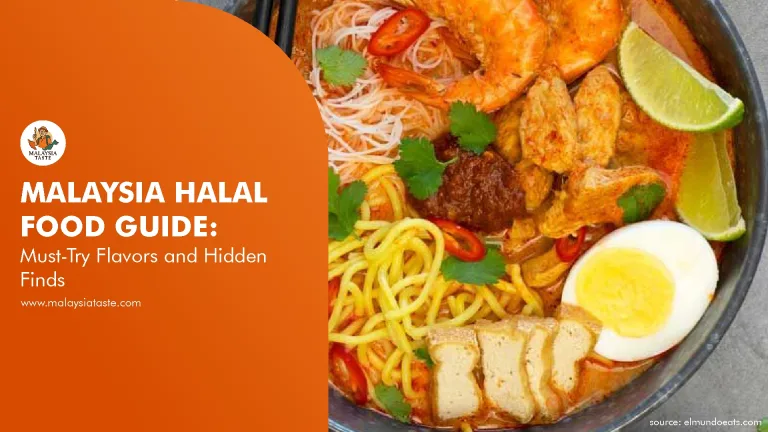
Curry laksa is a noodle soup with coconut curry broth. It can be creamy, spicy, aromatic, and deeply satisfying. Depending on the version, it may include tofu puffs, chicken, prawns, fish cake, cockles, or bean sprouts.

For many food lovers, curry laksa is one of the most memorable dishes in Malaysia.

Teh Tarik

Teh tarik is Malaysian pulled milk tea. It is sweet, creamy, frothy, and often enjoyed with breakfast or casual meals.

What makes it special is the pulling technique, where the tea is poured back and forth to create foam and texture. It is simple, but it feels deeply connected to local food culture.

Cendol

Cendol is a cold dessert made with shaved ice, coconut milk, palm sugar syrup, and green rice flour jelly. It is refreshing, sweet, and perfect for Malaysia’s tropical weather.

After several spicy or savory dishes, cendol is a wonderful way to end a food tour.

How to Choose the Right Food Tour for Tourists

Not all food tours are the same. Therefore, it is important to choose one that matches your travel style.

Look for Local Guides

A good local guide can turn a simple meal into a cultural experience. They know which stalls are reliable, how to explain dishes clearly, and how to help tourists feel comfortable.

Choose Small Group Tours

Small group tours often feel more personal. You can ask questions, hear the guide clearly, and enjoy a more relaxed pace. This is especially helpful if you want to take photos, record content, or learn more deeply about the food.

Check the Food Variety

A good food tour should offer variety. Ideally, it should include different flavors, textures, and cultural influences. For example, a strong route might include Malay, Chinese-Malaysian, and Indian-Malaysian elements.

Consider the Walking Distance

Food tours usually involve walking. Before booking, check whether the route is suitable for your comfort level. If you are traveling with family, older guests, or heavy camera equipment, this can make a difference.

Ask About Dietary Preferences

If you have dietary restrictions, check with the tour provider before booking. Some tours may accommodate vegetarian, halal, seafood-free, or no-pork preferences, while others may have a fixed menu.

Food Tour Tips for Food Vloggers and Bloggers

If you are a food traveler, vlogger, or blogger, a guided food tour can help you create stronger content. Instead of only filming dishes, you can capture the stories behind them.

Capture the Atmosphere

Do not only record close-ups of food. Show the street, the stall, the smoke from the grill, the sound of the wok, and the people eating around you. These details help your audience feel the place.

Ask Before Filming People

Food stalls are lively, but it is still polite to ask before filming vendors closely. Many people are friendly, especially when approached respectfully.

Take Notes During the Tour

Write down dish names, ingredients, neighborhood names, and cultural details. These notes will help you create more accurate captions, blog posts, or video scripts later.

Focus on the Experience, Not Just the Food

The best food content shows emotion. Talk about your first impression, the texture, the aroma, and how the guide explains the dish. This makes your content feel more personal and less like a simple menu review.

Why a Food Tour Is More Than a Meal

A food tour is not just about eating many dishes in one evening. It is about slowing down and paying attention.

When you join a food tour, you begin to notice how people gather around food. You see how locals order, how vendors cook, how families share meals, and how different cultures exist side by side in everyday life.

In Malaysia, this matters because food is one of the clearest expressions of the country’s identity. A single table can hold sambal, curry, noodles, tea, rice, tropical fruit, and stories from different generations.

That is why a food tour can feel more meaningful than a normal restaurant visit. It gives context to what you taste.

Common Mistakes Tourists Make When Exploring Food Alone

Exploring alone can still be enjoyable, but tourists sometimes make avoidable mistakes.

Only Eating in Malls

Kuala Lumpur has excellent malls, but if you only eat there, you may miss the energy of local food streets, markets, and casual eateries.

Choosing Food Only by Appearance

Some of the best Malaysian dishes are not always the most photogenic. Rendang, laksa, nasi kandar, and Hokkien mee may look simple or messy, but they often have incredible depth of flavor.

Avoiding Spicy Food Completely

Not every Malaysian dish is extremely spicy. Even if you are sensitive to heat, you can still enjoy many foods by asking for sambal on the side or choosing milder options.

Not Asking Questions

Food becomes more interesting when you ask questions. What is this sauce? How is the rice cooked? Is this a breakfast dish? What do locals usually order with it?

A food tour naturally encourages these questions, which makes the experience more interactive.

Is a Food Tour Worth It for Tourists?

Yes, a food tour is absolutely worth it for tourists, especially if you want to experience Malaysia beyond landmarks and hotel restaurants.

A well-designed food tour helps you discover what to eat, where to eat, and why each dish matters. It saves time, reduces confusion, and gives you access to local stories that you may not find on your own.

More importantly, it turns food into memory. You may forget the name of a street or the exact location of a stall, but you will remember the first bite of smoky satay, the comfort of warm roti canai, the sweetness of teh tarik, or the refreshing taste of cendol after a long walk.

For travelers, food vloggers, bloggers, and anyone curious about traditional Malaysian cuisine, a food tour is one of the most rewarding ways to understand the country. Because in Malaysia, food is never just food. It is culture, history, hospitality, and connection served on a plate.

Written by

Mukhammad

Leave a Comment

Your email address will not be published. Required fields are marked *